How Much Does an Interior Designer Cost?
And what is the difference between a Decorator vs Interior Designer?
A Professional Perspective from Lynn Madyson, Principal Designer, Lynn Madyson Interiors
One of the most common questions I hear from homeowners is: “How much does an interior designer cost?”
It’s a fair question—and an important one. But the honest answer is that interior design fees are not one-size-fits-all. The project investment for design services varies wildly and is highly dependent on the scope of your project, the level of involvement required by the designer, and the value you expect from the experience.
As the founder of Lynn Madyson Interiors, I want to share a transparent, real-world explanation of what interior design actually costs, what those fees include, and why hiring a designer is an investment that saves time, money, and stress.
What Determines the Cost of an Interior Designer?
Interior design pricing is influenced by several factors, including:
- The size and complexity of your project
- Whether it’s a renovation, a full-home update, custom new build or a single-room redesign.
- The level of construction coordination involved.
- The depth of design work, architectural/construction drawings, and specifications required.
- The amount of project management and oversight needed.
At Lynn Madyson Interiors, our focus is on turn-key full scope design-led renovation projects, particularly kitchens, bathrooms, and larger home updates, including additions. These projects require not only aesthetic expertise, but also a deep understanding of construction details, timelines, and coordination between multiple trades (construction team, electrician, plumber, carpenter, artisans). We develop design concepts and handle every detail – all the way through installation and the final furniture placement and styling.
How Interior Designers Typically Charge
While every studio is different, most professional interior designers work under a combination of the following models:
- Flat design fees based on full service, project scope, customized package
- Phased design fees tied to specific milestones
- Hourly rates for consultations or limited services, designer on call subscriptions
- Minimum design investments as even the “smallest” project is typically a 30 hour investment by the design studio.
In my studio, pricing is customized to each client. I believe this approach ensures clarity, fairness, and a design process that truly supports the scope of work involved. Proposals are clearly laid out so there are no “surprise” invoices and the client knows exactly what the investment amount is and the value of the results.
Rather than focusing on the investment number, I encourage clients to think about what level of service they need—and what problems they want solved. Designing your home is an investment with high returns on your daily life, lifestyle, well-being for the next 10, 15 even 20 years!
What You’re Really Paying For
One of the biggest misconceptions about interior design is that clients are paying solely for selections or aesthetics. In reality, professional interior design includes (but not limited to):
- Space planning and functional layout design for interior architecture and furnishings
- Design concepts and material direction – longevity, comfort and beauty
- Detailed drawings and specifications – insures successful installation
- Finish, fixture, and material sourcing – expert sourcing and selecting materials which fit the clients lifestyle, cleaning requirements
- Contractor and vendor coordination – ensuring quality control and craftmanship
- Guidance during construction – addressing the issues that pop up during construction
- Order management and installation oversight – all elements of the design, including furnishings, lighting and window treatments
- Final styling and refinement – those layers that make the space feel warm and inviting, cozy and personal
In short, you’re paying for design expertise, experienced professional decision-making, and client advocacy—all of which protect your investment and elevate the outcome.
A Real-World Example: When Design Saves Money
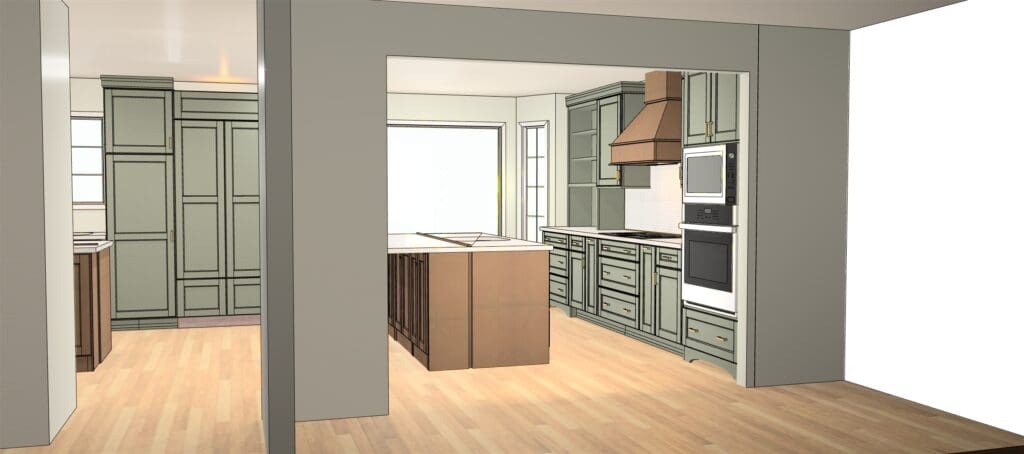
I’ve worked with many clients who initially planned to manage their renovations on their own. In one kitchen renovation, a homeowner had already selected cabinetry and appliances that didn’t align with the space’s dimensions or workflow.
Fortunately, this client realized they needed design expertise and contacted me. By stepping in early, I was able to rework the layout, adjust selections, and coordinate directly with the contractor. The result?
- No costly reorders
- No construction delays
- A kitchen that functioned beautifully and looked intentional
In situations like this, design fees offset the mistakes that could have cost far more. Or worse, bringing in a designer too late in the process to make changes.
Why Interior Design Is an Investment, Not an Expense
Interior design is not about excess—it’s about intentional investment. When done well, design adds value in several ways:
- It prevents costly errors
- It streamlines the renovation process
- It saves time and emotional energy
- It creates a cohesive, timeless result
- It enhances how you live in your home every day
My clients come to my studio because they want clarity, confidence, and a finished space that feels intentionally curated and personal from every angle.
The Bottom Line
So—how much does an interior designer cost?
The real answer is this: Interior design costs vary because the scope of work varies. When you hire a designer, you’re not just paying for a look—you’re investing in expertise, foresight, and a smoother process from start to finish.
At my studio, Lynn Madyson Interiors, I believe thoughtful design should feel both beautiful and practical. Our goal is always to guide our clients through their design projects with confidence, clarity, and results they’ll love for years to come.If you’re considering a design project and wondering what level of design support is right for you, I’m always happy to start with a conversation.